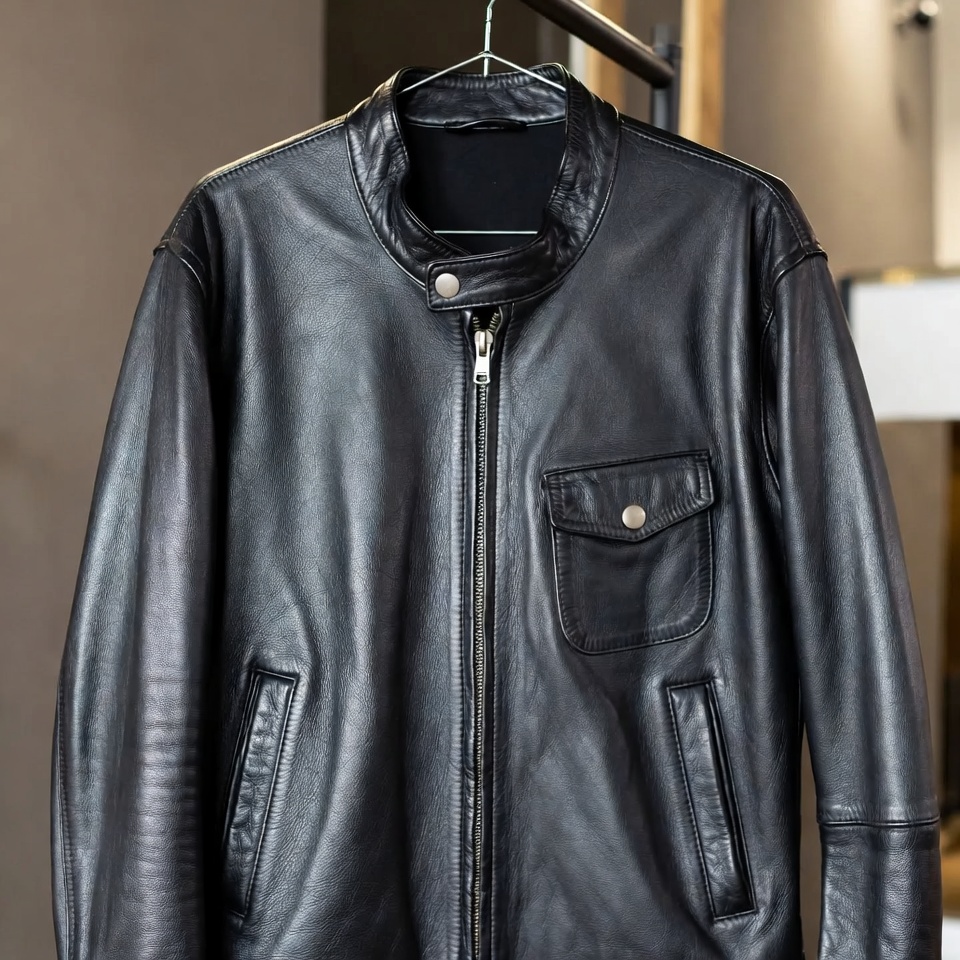


There’s nothing quite like starting your morning with a fresh cup of coffee—until it ends up on your favourite shirt, business suit, dress, or winter coat. Coffee stains are among the most common stains people experience, and while they may seem harmless at first, they can quickly become permanent if they’re not treated correctly.
Many people instinctively scrub the stain, pour hot water over it, or use whatever cleaning product happens to be under the kitchen sink. Unfortunately, these well-intentioned methods often make the problem worse, pushing the stain deeper into the fabric or damaging delicate fibres in the process.
At Ace Dry Cleaners, we’ve helped customers throughout Kanata, Ottawa, Stittsville, Nepean, and Barrhaven restore garments affected by coffee stains, tea stains, and other everyday accidents. Whether the stain is on a cotton shirt, wool suit, silk blouse, winter coat, or designer garment, acting quickly and using the correct cleaning method greatly improves the chances of complete stain removal.
In this guide, we’ll explain why coffee stains are so difficult to remove, what you should do immediately after a spill, which cleaning methods actually work, and when it’s time to leave the job to a professional.
Why Coffee Stains Can Be Difficult to Remove
Coffee isn’t simply coloured water.
It contains natural oils, tannins, acids, and pigments that bind to fabric fibres. When coffee dries, these compounds become increasingly difficult to remove, especially if milk, cream, or sugar were added.
The proteins found in dairy products can create additional staining, while sugar leaves behind sticky residue that attracts dirt long after the original spill has dried.
If the stain is exposed to heat—whether from a clothes dryer, iron, or even hot water—it may permanently set into the fabric.
This is why proper stain treatment should begin as soon as possible.
The First Five Minutes Matter
The sooner you respond to a coffee spill, the better your chances of completely removing it.
If possible, remove the garment immediately.
Using a clean white cloth or paper towel, gently blot the stain rather than rubbing it.
Blotting lifts moisture from the fabric without forcing the stain deeper into the fibres.
Continue blotting until no additional liquid transfers onto the towel.
If clean cold water is available, lightly rinse the back of the stained area to flush some of the coffee away from the fabric.
Avoid aggressive scrubbing.
Many permanent fabric damage cases begin with excessive rubbing.
Common Coffee Stain Mistakes
Many homeowners unknowingly make stains more difficult to remove.
Some of the most common mistakes include:
Using Hot Water
Heat causes tannins to bond more firmly with fabric fibres.
Cold water is almost always the better first choice.
Scrubbing Aggressively
Scrubbing spreads the stain and damages delicate fibres.
Blotting is much safer.
Using Bleach
Bleach may permanently discolor many fabrics, particularly coloured clothing, wool, silk, and synthetic blends.
Putting the Garment in the Dryer
A heated dryer can permanently set a stain that may otherwise have been removable.
Always inspect clothing carefully before drying.
Different Fabrics Require Different Cleaning Methods
Not every garment should be treated the same way.
Cotton
Cotton is one of the easiest fabrics to treat.
Fresh coffee stains often respond well to immediate blotting and cold water.
Wool
Wool absorbs moisture quickly but is sensitive to aggressive cleaning products.
Professional treatment is usually the safest option.
Silk
Silk is extremely delicate.
Home stain removers frequently leave water marks or colour variation.
Linen
Although durable, linen wrinkles easily and can become distorted through aggressive stain treatment.
Leather and Suede
Coffee should never be cleaned using household detergents on leather or suede.
These specialty materials require professional care.
Can Home Remedies Actually Work?
The internet is full of homemade stain removal advice.
Some methods are effective in certain situations, while others may permanently damage clothing.
Cold water is generally safe for most washable fabrics.
Mild liquid detergent may help with fresh stains on cotton garments.
However, stronger household cleaners, vinegar mixtures, baking soda pastes, hydrogen peroxide, and other internet remedies should be approached with caution, especially on delicate fabrics.
When in doubt, professional cleaning is often the safest and most cost-effective solution.
Coffee Stains on Business Clothing
Business attire deserves special attention.
Dress shirts, tailored pants, blazers, and suits often contain structured fabrics that don’t respond well to household washing.
Coffee spills during morning commutes or office meetings are surprisingly common.
Professional dry cleaning removes the stain while protecting the garment’s construction, helping preserve its professional appearance.
Coffee Stains on Winter Coats
Living in Ottawa, Kanata, Stittsville, Nepean, and Barrhaven means winter coats are worn for several months every year.
A coffee spill on a wool coat or insulated jacket may seem minor, but untreated stains can oxidize over time and become much more difficult to remove.
Professional garment care helps eliminate stains while refreshing the entire coat after months of winter wear.
What About Coffee Stains on White Shirts?
White shirts often show coffee stains more dramatically than darker clothing.
While it may be tempting to use strong whitening products immediately, doing so without understanding the fabric can lead to yellowing or uneven whitening.
Professional stain treatment helps preserve brightness while targeting the stain itself.
Can Dry Cleaning Remove Coffee Stains?
In many cases, yes.
Professional stain removal combines specialized cleaning solvents with targeted spot treatment techniques based on the fabric, stain age, and garment construction.
Fresh stains generally have the highest removal success.
Older stains may require additional treatment, but professional cleaning still offers the greatest chance of restoring the garment.
The key is bringing the item in before repeated washing or heat exposure permanently sets the stain.
How to Prevent Coffee Stains in the Future
Although accidents happen, a few simple habits can reduce the likelihood of permanent staining.
Use travel mugs with secure lids during your commute.
Avoid placing coffee cups near the edge of desks or tables.
Remove stained clothing as soon as possible.
Treat fresh spills immediately.
Never leave stained garments sitting in a laundry basket for several days.
Small habits can make a significant difference.
Why Professional Garment Care Makes a Difference
Many stains look simple on the surface but become increasingly complex beneath the fabric.
Professional garment care isn’t simply about cleaning clothing.
It’s about understanding fabric construction, stain chemistry, fibre types, and the safest treatment methods for each individual garment.
Whether you’ve spilled coffee on a favourite sweater, business suit, wedding guest dress, designer jacket, or winter coat, professional cleaning provides the best opportunity to restore your clothing without unnecessary damage.
At Ace Dry Cleaners, we’re proud to provide professional garment care for customers throughout Ottawa, Kanata, Stittsville, Nepean, and Barrhaven, helping our community protect the clothing they wear every day.
Frequently Asked Questions
Should I wash a coffee-stained shirt immediately?
If the garment is machine washable, rinse it with cold water first. Avoid using heat until the stain has been completely removed.
Can coffee permanently stain clothing?
Yes. If left untreated or exposed to heat, coffee stains can become permanent.
Does dry cleaning remove old coffee stains?
Many older coffee stains can still be improved or removed through professional stain treatment, although results depend on the fabric and how long the stain has been present.
Should I use bleach on a coffee stain?
Not unless the care label specifically recommends it. Bleach can permanently damage many fabrics.
Can coffee stain wool suits?
Yes. Wool absorbs liquids quickly and should be professionally cleaned whenever possible.
How soon should I bring stained clothing to a dry cleaner?
As soon as possible. Fresh stains are significantly easier to remove than stains that have dried or been repeatedly washed.