
A favourite suit shrinks. A beautiful sweater loses its shape. A stain that seemed small becomes permanent. A winter coat is stored for six months with road salt still on the hem. A designer blouse develops a faded patch after someone tries an online stain-removal trick.
Many damaged garments do not start with a major accident.
They start with a small clothing-care mistake.
For residents of Ottawa, Kanata, Stittsville, Nepean and Barrhaven, proper garment care can be particularly important because our wardrobes have to cope with dramatically different Canadian seasons. Clothing may encounter road salt and slush in January, mud and rain in April, perspiration and humidity in July, and then months of seasonal storage.
Knowing when to wash something at home, when to have it professionally cleaned, how to respond to stains and how to store garments properly can help protect your wardrobe.
At Ace Dry Cleaners in Kanata, we regularly care for everyday clothing as well as suits, winter coats, wedding dresses, leather and suede garments, designer clothing and other specialty pieces.
Here are 10 common clothing-care mistakes worth avoiding.
Mistake #1: Ignoring the Care Label
This may be the simplest mistake on the list—and one of the most important.
Before washing, drying, ironing, steaming or attempting stain removal, check the garment’s care instructions.
Different textiles tolerate different treatments.
The Government of Canada’s apparel and textile-care guide identifies five basic categories of care symbols covering washing, bleaching, drying, ironing and professional cleaning. It also explains how temperature and gentler-treatment requirements can be communicated through the symbols.
GINETEX likewise explains that care labels account for more than just the main fibre. Colouring, finishing, buttons, zippers and other applications can influence the maximum appropriate treatment for a garment.
Why this matters
Imagine two black jackets.
They look almost identical.
One is a washable synthetic jacket.
The other is a structured wool blazer containing lining, interfacing, shoulder construction and decorative trim.
Putting both into the same washing-machine cycle simply because they look similar could produce very different results.
What should you do?
Before cleaning a garment:
- Find the care label.
- Identify the fabric composition.
- Check whether washing is permitted.
- Check the recommended temperature.
- Check drying instructions.
- Check ironing instructions.
- Look for professional-cleaning instructions.
When you’re uncertain about an expensive or delicate garment, ask a professional cleaner before experimenting.
Mistake #2: Assuming “Dry Clean Only” Is Just a Suggestion
Some people look at a professional-cleaning instruction and think:
“I’ll just use the delicate cycle.”
That can be risky.
A garment may be labelled for professional cleaning because of much more than the visible outer fabric.
Professional-care symbols communicate whether professional dry or wet cleaning is appropriate and may also specify restrictions concerning solvents, mechanical action, moisture or temperature.
A garment’s construction can include:
- Interfacing
- Lining
- Shoulder padding
- Adhesives
- Decorative trim
- Specialty dyes
- Leather components
- Beading
- Buttons
- Embroidery
Even if the outer material itself appears washable, another component may not respond well to ordinary home laundering.
Structured garments deserve particular attention
Think about:
- Suits
- Blazers
- Formal coats
- Designer jackets
Their shape is part of the garment.
Improper cleaning can potentially affect that structure.
If the label specifies professional care, there is usually a reason.
Mistake #3: Rubbing a Stain Aggressively
Something spills on your shirt.
Your first instinct may be to grab a cloth and scrub as hard as possible.
Stop.
Aggressive rubbing can sometimes:
- Spread the stain
- Push material deeper into fibres
- Disturb the fabric surface
- Affect colour
- Create a visible worn area
This becomes especially risky with delicate fabrics.
What should you do instead?
For many fresh liquid spills, gently blotting excess material with a clean, absorbent white cloth can be preferable to vigorous rubbing.
Then identify what caused the stain.
Was it:
- Coffee?
- Wine?
- Oil?
- Makeup?
- Ink?
- Food?
That information can be useful if the garment requires professional stain treatment.
Tell your cleaner what happened
If you bring the garment to Ace Dry Cleaners, tell us what caused the mark if you know.
Also tell us what you have already tried.
There is no benefit to hiding the fact that you used a household stain remover.
Knowing what has already been applied to the garment can be useful when assessing the stain.
Mistake #4: Trying Every Internet Stain-Removal Hack
The internet has a home remedy for almost every stain imaginable.
You may see recommendations involving:
- Dish soap
- Vinegar
- Baking soda
- Alcohol
- Hydrogen peroxide
- Bleach
- Household cleaners
Some techniques may be suitable for particular washable fabrics and particular stains.
The problem comes when people assume a treatment that worked on a white cotton T-shirt will also be safe on:
- Silk
- Wool
- Cashmere
- Designer clothing
- Formalwear
- Leather
- Suede
- Embellished garments
It might not be.
The stain isn’t the only consideration
Professional stain care involves considering both:
What is the stain?
and
What is underneath the stain?
Coffee on cotton and coffee on silk are not necessarily the same cleaning problem.
Grease on a washable T-shirt and grease on a wool suit jacket are different situations.
Be particularly cautious with expensive clothing
If you have invested significantly in a garment, an uncontrolled home experiment may not be worth the risk.
Sometimes the best thing you can do is less.
Blot what you safely can, leave the stain alone and bring the garment in for assessment.
Mistake #5: Using Too Much Heat
Heat can be incredibly useful in garment care.
It can also cause problems when used incorrectly.
One of the biggest mistakes is putting a stained garment into a hot dryer before confirming that the stain is gone.
Heat can make certain stains more difficult to address.
It can also affect certain fibres and garment finishes.
Dryer temperature matters
The Government of Canada’s care-symbol guide distinguishes between multiple tumble-drying temperatures and also includes symbols for garments that should not be tumble dried at all.
That means “put it in the dryer” is not a universal clothing-care instruction.
Iron temperature matters too
The same applies to ironing.
Different materials tolerate different temperatures.
A heat setting suitable for cotton may not be appropriate for a delicate synthetic, wool or silk garment.
GINETEX’s care system specifically differentiates ironing temperatures and identifies garments for which steam or ironing may be unsuitable.
Always check the label before applying significant heat.
Mistake #6: Cleaning Every Garment the Same Way
One of the biggest wardrobe-care mistakes is treating all clothing as though it were made from the same material.
Your wardrobe may contain:
- Cotton
- Polyester
- Nylon
- Wool
- Cashmere
- Silk
- Linen
- Rayon
- Leather
- Suede
- Blended fabrics
Each material has different characteristics.
Then construction adds another layer of complexity.
A wool sweater is different from a wool suit.
A silk scarf is different from a structured silk dress.
A polyester T-shirt is different from an embellished polyester evening gown.
Wool is a great example
Woolmark notes that wool is naturally resistant to odours, stains and creasing and therefore may require less frequent washing than some other fibres. It also recommends specific care practices such as suitable storage, brushing woven garments and drying wet wool away from direct heat.
But that does not mean every wool garment should receive identical treatment.
Some wool clothing is washable.
Other wool garments require professional care.
The label wins.
Mistake #7: Waiting Too Long to Deal With Stains
You notice a small mark on a jacket.
You put it in the closet.
Then you forget about it.
Six months later, you rediscover the stain.
This is extremely common.
Unfortunately, stains can change over time.
Some marks that are initially subtle can become more visible as they age.
Invisible stains matter too
A garment can look clean while still containing residues from:
- Perspiration
- Body oils
- Clear beverages
- Food
- Makeup
- Skin-care products
This is especially relevant with formalwear and wedding dresses.
After an event, clothing may look perfectly presentable from several feet away but still have contamination around:
- Collar
- Underarms
- Cuffs
- Lining
- Hem
Deal with known stains promptly
You do not necessarily need to panic over every tiny mark.
But if you know something has spilled on a valuable garment, do not deliberately leave it untreated for months.
Earlier assessment generally gives you more options.
Mistake #8: Storing Dirty Clothing for an Entire Season
This is particularly relevant in Ottawa.
Spring finally arrives.
Everyone is delighted to stop wearing parkas.
The winter coat goes straight into the closet.
Unfortunately, it may still contain:
- Road salt
- Slush residue
- Body oils
- Makeup
- Perspiration
- Food
- Dirt
Then it sits there for six or seven months.
A much better habit is to clean appropriate seasonal garments before storage.
Wool clothing deserves particular attention
Woolmark recommends cleaning wool garments before long-term storage because food stains and body oils can attract moths.
That is another good reason to inspect winter clothing at the end of the season.
Your spring wardrobe checklist
Before storing winter clothing, inspect:
- Wool coats
- Parkas
- Sweaters
- Scarves
- Formal winter coats
- Suits
Pay particular attention to collars, cuffs and hems.
Mistake #9: Overloading the Washing Machine
We’ve all done it.
The laundry basket is overflowing, so you try to turn two loads into one.
That may save a little time, but it is not necessarily good for cleaning performance.
Clothing needs appropriate room to move during washing.
Overloading can interfere with proper cleaning and rinsing.
It can also increase friction between garments.
More laundry at once isn’t always more efficient
Instead of focusing solely on fitting as much as possible into the machine, consider:
- Fabric type
- Colour
- Soil level
- Garment-care instructions
Proper sorting and load size can help produce better results and reduce unnecessary garment wear.
Mistake #10: Assuming More Cleaning Is Always Better
This mistake may sound surprising coming from a dry cleaner.
But professional garment care is not about cleaning every garment as frequently as possible.
It is about cleaning clothing appropriately.
Some garments need frequent washing because they contact the skin directly.
Others may be worn multiple times between cleanings.
Wool is a good example. Woolmark notes that wool’s natural odour, stain and crease resistance can mean it requires less frequent washing than many other fibres.
A suit worn briefly to one meeting does not necessarily need immediate cleaning.
A winter coat worn every day through months of Ottawa slush is a different story.
Clean based on:
- Wear
- Fabric
- Stains
- Odour
- Season
- Manufacturer instructions
The goal is not maximum cleaning.
The goal is maximum useful garment life.
Bonus Mistake: Forgetting About the Inside of Your Clothing
People naturally look at the outside of a garment.
But much of the contamination may be inside.
Consider a suit jacket.
The exterior may look spotless.
Meanwhile, the lining has spent hours in contact with your shirt and body heat.
The same applies to:
- Winter coats
- Dresses
- Blazers
- Formalwear
When evaluating whether something needs cleaning, consider the whole garment.
Bonus Mistake: Ignoring Collars and Cuffs
Collars and cuffs are often the first places to show soil.
Collars encounter:
- Skin oils
- Hair products
- Makeup
- Perspiration
- Skin-care products
Cuffs contact countless surfaces.
Dark clothing can conceal this buildup surprisingly well.
Inspect garments under good lighting rather than waiting until the dirt becomes obvious from across the room.
Bonus Mistake: Putting Away Damp Clothing
Ottawa weather means coats frequently come indoors damp.
Snow melts.
Rain soaks into fabric.
Slush splashes onto hems.
Do not immediately place damp garments into tightly enclosed storage.
Allow them to dry appropriately according to their care instructions.
Woolmark recommends drying wet wool at room temperature away from direct sunlight or heat.
Never use extreme heat simply because you want the garment dry faster.
Bonus Mistake: Using the Wrong Hanger
Not all hangers are created equal.
Thin wire hangers may be fine for temporary use but may provide inadequate support for heavy or structured garments.
Items such as:
- Suits
- Blazers
- Wool coats
- Designer jackets
generally benefit from supportive hangers that better match the shoulder shape.
Woolmark similarly recommends shaped or padded coat hangers for woven wool garments while advising that knitted garments be folded.
Your hanger is part of garment care too.
How to Care for Suits Properly
Suits are among the garments most likely to be damaged by inappropriate home care.
A suit jacket may contain:
- Outer fabric
- Lining
- Canvas or interfacing
- Shoulder structure
- Buttons
- Multiple layers
Do not simply put a suit into a washing machine unless its specific care instructions permit that process.
Between professional cleanings:
- Hang the suit properly.
- Allow it to air.
- Rotate suits when possible.
- Address stains promptly.
- Avoid overcrowding your closet.
Professional pressing and finishing can also help maintain a suit’s intended presentation.
How to Care for Winter Coats in Ottawa
Winter outerwear has unique challenges.
Throughout an Ottawa winter, check for:
- Road salt
- Slush
- Makeup
- Collar buildup
- Dirty cuffs
- Food stains
- Coffee
- Mud
Do not wait until November to clean a coat you stored dirty in April.
An end-of-winter inspection and appropriate cleaning routine can make seasonal wardrobe care much easier.
How to Care for Designer Clothing
Designer garments can combine several materials in one item.
For example, a premium coat might have:
- Wool exterior
- Viscose lining
- Leather trim
- Decorative hardware
That makes DIY treatment more complicated.
For expensive clothing, check the label carefully and seek professional assessment when you are uncertain.
Replacing a damaged designer garment can cost considerably more than having it appropriately maintained.
How to Care for Wedding Dresses
Wedding gowns deserve special consideration.
During a single event, a dress may encounter:
- Makeup
- Perspiration
- Wine
- Champagne
- Food
- Cake
- Grass
- Dirt
- Mud
Even if the gown appears clean after the wedding, invisible residues may remain.
If you intend to preserve the dress, professional cleaning should generally be considered before long-term storage.
How to Care for Leather and Suede
Leather and suede should not be treated like ordinary textile garments.
They can react differently to:
- Water
- Heat
- Detergents
- Stain removers
- Rubbing
Avoid throwing a leather or suede jacket into ordinary household laundry.
Specialty garment care is the more appropriate approach.
Clothing Care in Kanata
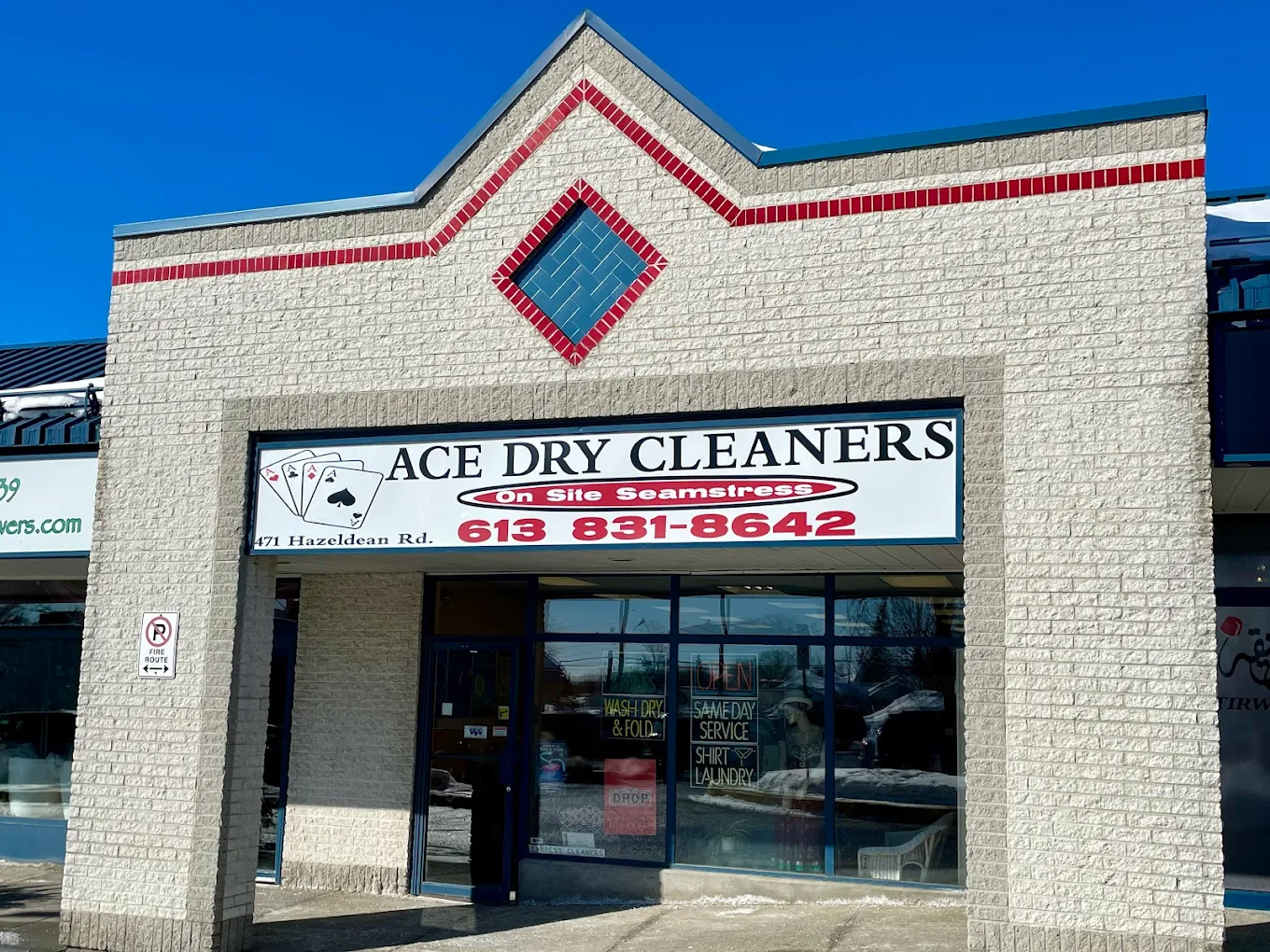
For customers in Kanata, Ace Dry Cleaners provides professional garment care from our location on Hazeldean Road.
Whether you need help with:
- Suits
- Winter coats
- Formalwear
- Designer garments
- Wedding dresses
- Leather and suede
- Everyday dry cleaning
- Wash + Fold
the first step is determining the appropriate care method for the item.
Clothing Care in Stittsville
Stittsville residents are conveniently located near our Kanata shop.
Professional garment care can be particularly useful for clothing that is:
- Valuable
- Delicate
- Structured
- Difficult to replace
- Marked for professional cleaning
If you are unsure whether an item can safely be washed at home, check its label or bring it in for assessment.
Professional Dry Cleaning for Nepean Residents
Customers from Nepean deal with the same seasonal garment challenges as the rest of Ottawa.
Winter salt, spring mud, summer perspiration and seasonal wardrobe storage all affect clothing.
A simple seasonal garment-care routine can help keep your wardrobe organized and ready throughout the year.
Professional Garment Care for Barrhaven
For busy Barrhaven households, professional garment care can help separate specialty clothing from ordinary laundry.
Everyday washable garments may be appropriate for Wash + Fold.
Suits, designer clothing, leather, suede and other specialty pieces may need a different approach.
The important thing is not treating every garment identically.
How to Know When Professional Dry Cleaning Is Appropriate
Consider professional garment care when:
- The care instructions specify it
- The garment is structured
- The fabric is delicate
- The garment contains multiple materials
- It has difficult stains
- It is expensive
- It is sentimental
- You are uncertain how to treat it safely
Professional textile care is particularly valuable when the consequences of getting the cleaning process wrong are significant.
Can Professional Dry Cleaning Remove Every Stain?
No responsible cleaner should guarantee that every stain will disappear completely.
Results depend on factors such as:
- Stain type
- Fabric
- Dye
- Stain age
- Previous treatment
- Heat exposure
- Garment condition
Sometimes removing the final trace of a stain would require treatment that could create too much risk to the garment.
Professional garment care is about balancing cleaning effectiveness with preservation.
Frequently Asked Questions About Professional Dry Cleaning in Ottawa
How often should clothes be dry cleaned?
There is no universal schedule. Cleaning frequency depends on the garment, fabric, how often it is worn, stains, odour and manufacturer instructions.
Should I dry clean a suit after every wear?
Usually not automatically. A lightly worn suit may be aired and rested between wears unless it is stained or soiled. Follow the garment’s care instructions.
Should I wash a dry-clean-only garment at home?
If the manufacturer specifies professional dry cleaning, following that instruction is the safer approach.
Can dry cleaning remove old stains?
Some older stains can be treated, but age can make stain removal more difficult. Results also depend on the fabric and previous treatments.
Should I try removing a stain before taking it to the dry cleaner?
For valuable or delicate garments, aggressive home treatment can make matters worse. If you do treat the stain, tell your cleaner what you used.
Can you dry clean wool?
Many wool garments can receive professional dry cleaning, but not every wool item requires the same process. Always follow the individual care label.
Can winter coats be dry cleaned?
Some can. Others require different professional or home-care methods. Check the coat’s specific care instructions.
Should I clean my winter coat before storing it?
Cleaning appropriate outerwear before seasonal storage is an excellent habit, particularly when the garment has accumulated salt, stains, food residue or body oils.
Can designer clothing be professionally cleaned?
Yes, many luxury garments can receive professional textile care. The appropriate process depends on their fabric, construction, trim and care instructions.
Can leather and suede be professionally cleaned?
Leather and suede can receive specialty professional care and should not be treated like ordinary washable garments.
Is professional cleaning appropriate for wedding dresses?
Wedding dresses often benefit from professional assessment because they may contain delicate fabrics, lace, beading and multiple types of stains.
Where can I find professional dry cleaning in Ottawa?
Ace Dry Cleaners provides professional garment care from 471 Hazeldean Road in Kanata, serving customers throughout Kanata and surrounding Ottawa communities.
Do you serve Stittsville, Nepean and Barrhaven?
Yes. Ace Dry Cleaners welcomes customers from Kanata, Stittsville, Nepean, Barrhaven and throughout Ottawa.
Your Clothing Care Checklist
Before washing, cleaning or storing an important garment:
- Read the care label.
- Identify stains before cleaning.
- Avoid aggressive rubbing.
- Be cautious with DIY chemicals.
- Do not apply unnecessary heat to stains.
- Separate specialty garments from ordinary laundry.
- Address stains promptly.
- Clean seasonal clothing before storage.
- Use appropriate hangers and storage.
- Ask a professional when you are uncertain.
These habits are simple, but they can help prevent many avoidable garment-care problems.
Professional Dry Cleaning in Ottawa, Kanata and Surrounding Communities
Good garment care is not about dry cleaning everything.
It is about giving each garment the care it actually needs.
Your everyday cotton T-shirt does not require the same treatment as your tailored wool suit.
Your Wash + Fold laundry should not automatically include a designer silk blouse.
Your leather jacket should not be treated like your polyester winter coat.
And your wedding dress should not be treated like an ordinary white dress.
The more valuable, delicate or complicated the garment becomes, the more important it is to understand its care requirements before cleaning.
At Ace Dry Cleaners, we provide professional garment care for customers throughout Ottawa, Kanata, Stittsville, Nepean and Barrhaven.
From everyday dry cleaning to suits, winter coats, wedding dresses, designer garments, leather and suede, and Wash + Fold service, our goal is to help customers choose the appropriate care for their clothing.
Ace Dry Cleaners
471 Hazeldean Rd., Kanata, Ontario
613-831-8642
If you are unsure how to clean an important garment, bring it in before experimenting at home. We can examine the care instructions, fabric, construction and stains and determine an appropriate approach.