
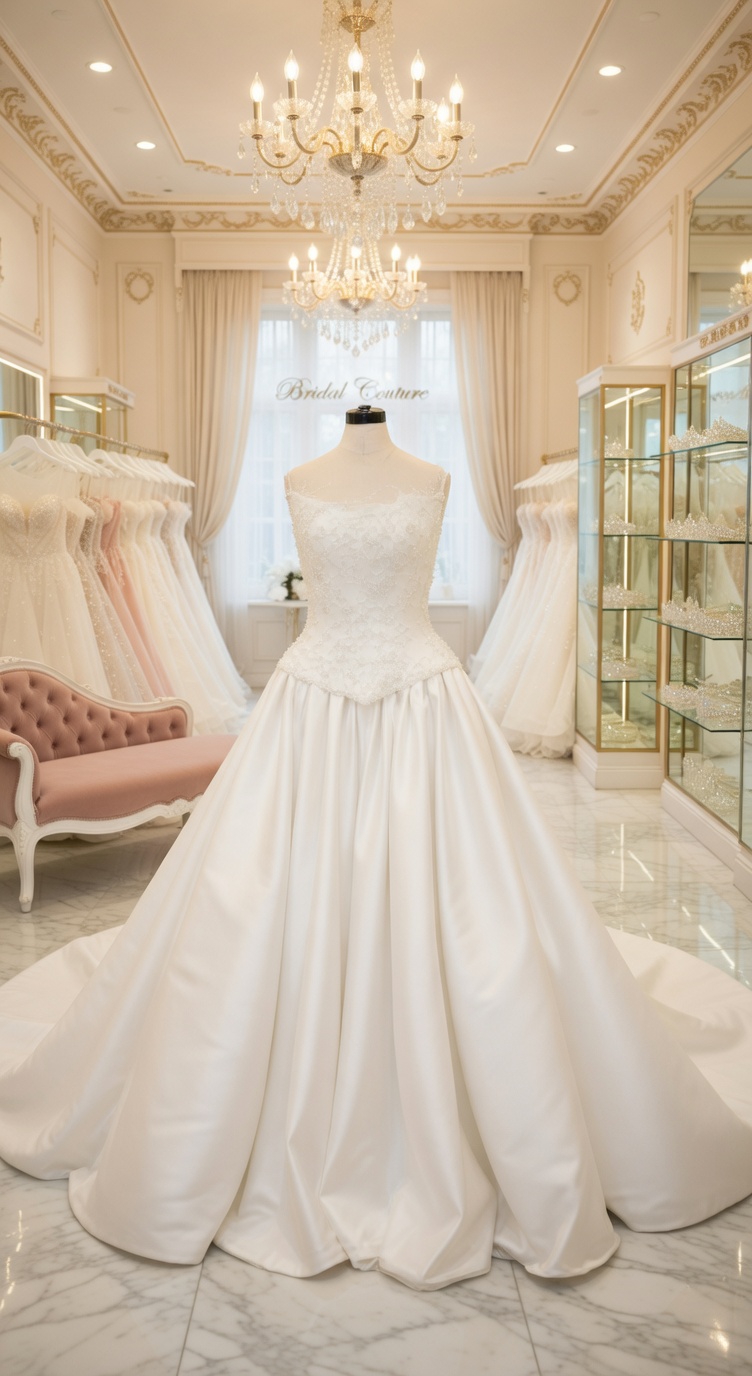
Your wedding dress is not just another garment.
For many brides, it is one of the most meaningful pieces of clothing they will ever own. It may represent months of planning, a major financial investment, a special family memory or even something you hope to pass down one day.
That is why cleaning a wedding gown is very different from cleaning everyday clothing.
A wedding dress can combine several delicate elements in one garment, including lace, silk, satin, tulle, beading, embroidery, structured bodices, multiple linings, decorative trim and long hems that spend hours touching floors, grass, pavement and reception spaces.
Even when a wedding dress looks clean after the celebration, it may still contain invisible stains from perspiration, makeup, food, drinks, body oils, perfume, grass, dust or dirt.
For brides in Stittsville, Kanata, Ottawa, Nepean and Barrhaven, professional wedding dress cleaning and preservation can help protect the gown before those marks have more time to settle into the fabric.
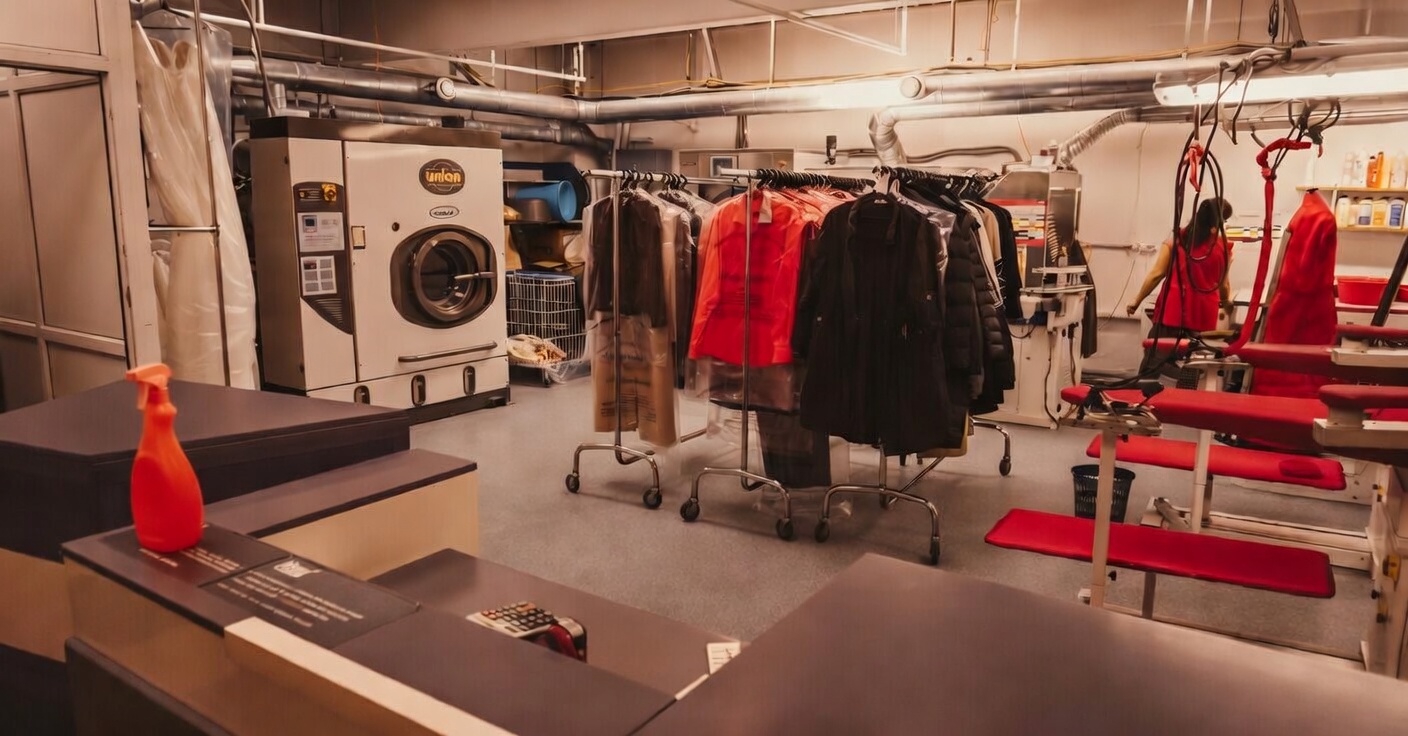
At Ace Dry Cleaners in Kanata, wedding gown care begins with careful inspection. The goal is not simply to “clean a white dress.” It is to understand the gown’s fabric, construction, embellishments, care instructions and stains before determining the most appropriate approach.
This guide explains what brides should know about wedding dress cleaning, stain treatment, preservation and long-term storage.
Why Wedding Dresses Need Specialized Care
Wedding gowns are often more complicated than they appear.
A dress might include several different materials at once:
- Satin
- Silk
- Polyester
- Tulle
- Lace
- Chiffon
- Organza
- Rayon
- Beading
- Sequins
- Embroidery
- Decorative appliqués
- Boning
- Structured lining
- Zippers
- Hooks
- Buttons
Each of these components can react differently to cleaning.
The gown may also contain adhesives, decorative finishes or delicate trim that require additional caution.
That is why wedding dress cleaning should never be approached with a one-method-fits-all mindset.
The gown itself determines the treatment.
When Should You Clean Your Wedding Dress?
Ideally, the gown should be cleaned reasonably soon after the wedding.
That does not mean you need to rush it to a cleaner the morning after your reception.
But leaving a stained gown untreated for many months is usually not ideal.
Some stains become more difficult to address as they age.
Others may not even be visible immediately.
Sugary drink spills, perspiration and body oils can sometimes appear subtle at first and become more noticeable over time.
If you plan to preserve the gown, cleaning should generally come first.
You do not want to place a soiled garment into long-term storage.
What Stains Are Common on Wedding Dresses?
A wedding day exposes a dress to a surprisingly wide range of potential stains.
Common examples include:
- Makeup
- Foundation
- Lipstick
- Self-tanner
- Perfume residue
- Perspiration
- Wine
- Champagne
- Cocktails
- Coffee
- Food
- Cake
- Grease
- Grass
- Mud
- Dust
- Dirt from floors
- Outdoor debris
The lower hem of the gown is especially vulnerable.
Even indoor weddings can leave hems visibly soiled because the dress may drag across floors for hours.
Outdoor ceremonies and photos can add grass, soil and moisture to the mix.
Why Invisible Stains Matter
One of the biggest misconceptions is that a dress does not need cleaning if it still looks white.
Not all stains are obvious immediately.
Perspiration and body oils can accumulate around the bodice, underarms and lining.
Sugary beverages can dry without leaving a dramatic mark.
Food residue may be hidden within folds of fabric.
Over time, these contaminants may oxidize or become more visible.
That is one reason professional inspection is so important before preservation.
What Should You Do If Something Spills on the Dress During the Wedding?
The best immediate response is usually to avoid panic and avoid aggressive rubbing.
If possible, gently blot excess liquid with a clean white cloth.
Do not scrub the stain into the fabric.
Avoid pouring random household cleaning products directly onto a wedding dress.
The wrong treatment can create:
- Colour changes
- Rings
- Water marks
- Texture changes
- Damage to delicate finishes
If the gown contains silk, lace, beading or other delicate components, aggressive spot treatment is especially risky.
Tell Your Cleaner What Happened
If you know what caused a stain, mention it.
That information can be valuable.
For example:
- Red wine
- Champagne
- Makeup
- Grease
- Coffee
- Grass
- Mud
Different stains may require different treatment strategies.
Also mention whether anyone already attempted to clean the stain.
If you used:
- Soap
- Water
- Stain remover
- Vinegar
- Alcohol
- Bleach
- Another household product
tell the cleaner.
The more information available, the better the garment can be assessed.
Why the Hem Needs Special Attention
The hem is often the dirtiest part of a wedding dress.
It may come into contact with:
- Floors
- Pavement
- Grass
- Soil
- Carpet
- Dance floors
- Outdoor walkways
Long trains can be especially vulnerable.
When inspecting a wedding gown after the event, do not just look at the front bodice.
Turn the dress over and inspect the entire hem and train carefully.
Makeup Stains on Wedding Gowns
Makeup is extremely common around the neckline and bodice.
Foundation, lipstick and other cosmetics may contain oils, waxes and pigments.
This combination can make cosmetic stains more complicated than they appear.
Avoid vigorous rubbing.
Professional treatment may be a safer option, particularly on delicate fabrics.
Perspiration and Body Oils
Wedding dresses are worn for long periods.
A bride may wear the gown during:
- Preparation
- Ceremony
- Photography
- Dinner
- Dancing
- Reception
That means perspiration and skin oils can accumulate even if no visible stain appears.
Areas worth inspecting include:
- Underarms
- Neckline
- Bodice lining
- Waist area
- Back closure
These marks are important to address before long-term storage.
Wine and Champagne Stains
Celebrations and beverages go together, so wine and champagne spills are not unusual.
Red wine is especially visible, but clear drinks can also leave residues.
Sugars may remain in the fabric after the liquid dries.
If a drink spills onto the gown, blot carefully and avoid aggressive home treatments.
Bring the dress for professional assessment when practical.
Food and Grease Stains
Wedding receptions often involve rich foods, sauces, oils and desserts.
These can create combination stains involving:
- Pigments
- Oils
- Sugars
- Proteins
A tiny food spot may look insignificant on the wedding day but become more obvious later.
Point out every stain you can identify when bringing the gown in.
Grass and Outdoor Photography Stains
Outdoor wedding photography is beautiful, but it can be hard on a dress.
Grass stains are especially common on hems and trains.
Moisture can also cause dirt to adhere more strongly to fabric.
If your wedding involved an outdoor ceremony or photo session, inspect the bottom of the gown carefully.
Mud and Dirt
Spring and fall weddings in the Ottawa region can bring wet ground and muddy conditions.
If mud gets onto the dress, avoid rubbing wet dirt deeply into the fabric.
The appropriate treatment depends on the gown material and construction.
How Professional Wedding Dress Cleaning Works
The exact process varies depending on the gown, but professional care typically begins with inspection.
A cleaner may examine:
- Fabric
- Care label
- Construction
- Embellishments
- Stains
- Hem condition
- Lining
- Buttons
- Zippers
- Beading
- Trim
From there, treatment decisions can be made based on the garment rather than assumptions.
This is especially important because two wedding dresses that look similar may require very different care.
Why the Care Label Matters
The care label provides important information about how the manufacturer expects the garment to be treated.
GINETEX provides internationally recognized textile care symbols that communicate washing, drying, ironing and professional textile care instructions.
You can learn more here:
Wedding gowns can be particularly complex because the label may need to account for multiple fabrics and decorative elements.
Always follow the specific care guidance for the gown.
What About Beading and Sequins?
Beading can make cleaning more complicated.
Some decorative elements may react differently from the underlying fabric.
Potential concerns include:
- Adhesives
- Metallic finishes
- Painted beads
- Plastic sequins
- Thread strength
- Heat sensitivity
That is why a beaded wedding dress should be carefully examined before cleaning.
Lace Wedding Dress Care
Lace is beautiful, but it can be delicate.
Aggressive rubbing or inappropriate cleaning methods may distort or damage the material.
Lace also tends to trap fine dirt and debris.
Professional assessment helps determine the safest approach for the specific type of lace used in the gown.
Silk Wedding Dresses
Silk requires special attention.
It is a natural fibre and can react poorly to inappropriate moisture, heat or cleaning products.
A silk wedding gown should not be treated like a standard polyester dress.
If your gown contains silk, professional care is especially important.
Satin Wedding Dresses
“Satin” describes a weave rather than one specific fibre.
A satin gown might be made from:
- Silk
- Polyester
- Acetate
- Another fibre blend
The underlying fibre matters.
That is another reason to check the label rather than assuming that all satin gowns require the same care.
Wedding Dresses with Tulle
Tulle is lightweight and commonly used for:
- Skirts
- Veils
- Overlays
- Decorative layers
Because it is fine and open in structure, it can snag or distort.
Careful handling is important during cleaning and storage.
Wedding Dress Preservation vs. Wedding Dress Cleaning
These two terms are related but not identical.
Cleaning focuses on removing soils and stains from the gown.
Preservation focuses on preparing and storing the cleaned gown in a way intended to support long-term protection.
Ideally, preservation begins with a properly cleaned dress.
Preserving a dirty gown simply traps existing contamination with the garment.
Why Preservation Matters
A wedding dress may be preserved for several reasons.
You may want to:
- Keep it as a personal memory
- Pass it to a daughter or family member
- Reuse part of it later
- Display it
- Convert it into another keepsake
- Keep it because of its sentimental value
Whatever the reason, proper storage can help reduce unnecessary exposure to environmental factors that may affect the garment over time.
What Can Damage a Wedding Dress in Storage?
Several factors can affect clothing during long-term storage.
These include:
- Moisture
- Heat
- Light
- Dust
- Poor airflow
- Inappropriate packaging
- Residual stains
- Improper folding
- Pressure on embellishments
Storage location matters just as much as the storage container.
Should You Store a Wedding Dress in a Basement?
Basements can be problematic because some experience:
- Humidity
- Temperature swings
- Moisture
- Flooding risk
A dry, climate-stable interior storage area is generally preferable.
Avoid storing valuable garments where moisture is likely to be a recurring issue.
What About the Attic?
Attics can become very hot in summer and cold in winter.
Those temperature swings may not be ideal for delicate garments.
A stable indoor closet is often a better option.
Should a Wedding Dress Be Stored in Plastic?
Long-term storage in ordinary plastic is not always ideal.
Some plastics may trap moisture or create an unsuitable storage environment.
Wedding dress preservation typically uses materials chosen specifically for archival or long-term garment storage.
Avoid assuming that the original retail garment bag is necessarily designed for decades of preservation.
Acid-Free Storage
Archival preservation often involves acid-free tissue and appropriate storage materials.
These materials are intended to reduce unnecessary chemical interaction with the gown during long-term storage.
If preservation is your goal, ask what materials will be used and how the gown should be stored afterward.
Should You Hang a Wedding Dress Long Term?
That depends on the gown.
Heavy dresses can place considerable strain on shoulder seams and straps when hung for long periods.
Beaded or heavily structured gowns may be especially heavy.
Some gowns are better stored folded within appropriate preservation materials.
The best option depends on the individual garment.
Wedding Dress Preservation for Stittsville Brides
For brides in Stittsville, wedding gown cleaning and preservation can be arranged conveniently through Ace Dry Cleaners in nearby Kanata.
Whether your wedding took place at a local venue, somewhere else in Ottawa or even outside the city, the same principle applies:
Do not wait years to inspect the dress.
If you plan to keep it, have it professionally assessed and cleaned before placing it into long-term storage.
Wedding Dress Cleaning in Kanata
Ace Dry Cleaners is located on Hazeldean Road in Kanata, making wedding dress care convenient for local brides as well as customers travelling from Stittsville.
Bring the gown in after the wedding and point out any areas of concern.
Even if you are unsure what caused a stain, show us where you noticed it.
Wedding Dress Cleaning for Ottawa Brides
Wedding gowns travel.
A bride may live in Kanata but get married downtown.
A Stittsville bride may hold a ceremony elsewhere in Ottawa.
An Ottawa bride may travel outside the region for the wedding.
Regardless of where the celebration took place, professional cleaning afterward can help prepare the gown for storage or preservation.
Wedding Dress Care for Nepean and Barrhaven Brides
Ace Dry Cleaners also serves customers from Nepean and Barrhaven.
For brides throughout the Ottawa area, wedding dress care should focus on the gown itself rather than simply the location where the wedding occurred.
Fabric, stains, embellishments and construction are what determine the appropriate cleaning approach.
Should You Clean a Wedding Dress Before Selling It?
If you plan to sell your gown, professional cleaning can make it more appealing to a future buyer.
Buyers may inspect:
- Hem
- Underarms
- Bodice
- Train
- Lining
- Makeup marks
- Food stains
A clean gown also allows a buyer to assess its actual condition more accurately.
Should You Clean a Wedding Dress Before Donating It?
Yes, cleaning before donation is generally considerate.
Organizations accepting gowns may have their own requirements, so confirm their guidelines first.
What If the Dress Has Been Stored for Years?
Do not assume it is too late.
Older gowns can still be assessed.
However, older stains and fabric ageing may make treatment more complicated.
The garment should be examined before anyone makes promises about what can be removed.
Can Every Wedding Dress Stain Be Removed?
No.
Stain removal depends on many factors, including:
- Fabric
- Dye
- Stain type
- Stain age
- Previous treatment
- Heat exposure
- Fabric condition
- Embellishments
A responsible cleaner should balance stain removal with protecting the garment.
Trying to remove the final trace of a stain at all costs may create unnecessary risk to delicate fabric.
Why You Should Avoid DIY Bleaching
Bleach is not a universal solution for white garments.
A wedding gown may contain fibres or decorative elements that can be damaged by bleaching agents.
It can also create uneven colour changes.
Do not assume “white dress” automatically means “bleach safe.”
Always follow the care label.
What About Wrinkles After the Wedding?
Wedding dresses often become wrinkled during:
- Transportation
- Sitting
- Dancing
- Storage
Professional finishing may help restore presentation after cleaning.
However, the correct temperature and treatment depend on the fabric and embellishments.
Avoid applying high heat without checking the gown’s care instructions.
Wedding Veil Cleaning and Storage
Do not forget the veil.
Veils can collect:
- Makeup
- Hair products
- Floor dust
- Outdoor debris
They may also be made from delicate tulle, lace or decorative trim.
If you plan to preserve the complete bridal ensemble, ask about proper care for the veil as well.
Other Bridal Items Worth Cleaning
Depending on what you want to keep, you may also consider professional care for:
- Reception dress
- Bridal shawl
- Wrap
- Bolero
- Mother-of-the-bride dress
- Bridesmaid dresses
- Formal suits
- Tuxedos
The wedding gown may be the star of the day, but it is not the only garment worth protecting.
How Soon After the Wedding Should I Bring the Dress In?
Sooner is generally better than much later.
You do not need to make garment cleaning your first post-wedding task, but try not to leave a visibly stained gown sitting in a bag for months.
If you are leaving immediately for a honeymoon, store the gown in a clean, dry environment until you can bring it in.
What Should I Bring With the Dress?
Bring the gown itself and any accessories you want assessed.
If you know where the stains are, mention them.
If you know what caused them, tell the cleaner.
You can also mention whether the dress has already been spot treated.
Can I Leave the Dress in Its Garment Bag?
For short-term transportation, a garment bag can be useful.
For long-term preservation, however, you should use storage materials appropriate for the gown and preservation method.
The original garment bag may not be intended for archival storage.
Why Professional Wedding Dress Care Is Worth Considering
Wedding dresses are unusual garments because they combine:
- High emotional value
- High financial value
- Delicate materials
- Complex construction
- Heavy exposure to stains
- Long-term storage goals
That combination makes professional care especially worthwhile.
A good cleaning and preservation plan helps you move from “I hope the dress is okay in the closet” to a much more deliberate approach.
Frequently Asked Questions About Wedding Dress Cleaning and Preservation in Stittsville
How soon should I clean my wedding dress after the wedding?
Generally, sooner is better. Stains can become more difficult to address as they age, and some marks may become more visible over time.
Can you clean a wedding dress with beading?
Many beaded gowns can be professionally cleaned, but the beads, adhesives, stitching and underlying fabric should be examined first.
Can wine stains be removed from a wedding dress?
Wine stains can often be treated, but no specific result should be guaranteed without examining the gown, fabric and age of the stain.
Can makeup be removed from a wedding dress?
Many makeup stains can be treated. The outcome depends on the cosmetic product, fabric and any previous treatment.
Should I preserve my wedding dress if I do not plan to wear it again?
Preservation can still make sense if the dress has sentimental value or you want to pass it down, display it or reuse parts of it later.
Can I preserve a wedding dress without cleaning it first?
Cleaning first is generally preferable. Long-term storage should begin with a garment that has been appropriately cleaned.
Can I store my wedding gown in the basement?
A dry, climate-stable interior location is usually preferable to a damp or flood-prone basement.
Can I store my wedding dress in its original plastic garment bag?
The original bag may be useful for short-term transportation, but it may not be designed for archival storage.
Is it safe to wash a wedding dress at home?
Only if the manufacturer specifically permits home washing and the garment is suitable for it. Many wedding dresses contain delicate materials and complex construction that make professional assessment advisable.
Can an older wedding dress still be cleaned?
Yes, older gowns can be assessed, although aged stains and fabric condition may make treatment more challenging.
Where can I get wedding dress cleaning near Stittsville?
Ace Dry Cleaners provides professional wedding gown care from 471 Hazeldean Road in Kanata, conveniently located for customers from Stittsville and surrounding Ottawa communities.
Do you serve brides from Kanata, Ottawa, Nepean and Barrhaven?
Yes. Ace Dry Cleaners serves customers from Kanata and surrounding communities throughout the Ottawa area, including Stittsville, Nepean and Barrhaven.
A Post-Wedding Dress Care Checklist
After the wedding:
- Inspect the gown carefully
- Check the hem and train
- Look for makeup around the neckline
- Check the underarm areas
- Identify food and beverage spills
- Do not aggressively scrub stains
- Avoid random household chemicals
- Read the care label
- Arrange professional cleaning
- Consider preservation if you plan to keep the gown
- Store it in a dry, stable environment
Taking these steps soon after the wedding can make long-term garment care much easier.
Professional Wedding Dress Cleaning and Preservation Near Stittsville
A wedding gown can hold memories for decades.
But preserving those memories means caring for the physical garment properly too.
Stains are normal after a wedding.
A gown has been worn through photographs, hugs, meals, dancing, outdoor walks and hours of celebration. It is completely normal for the hem to be dirty or for the bodice to have traces of makeup, perspiration or other residue.
What matters is what happens afterward.
If you plan to keep your gown, start by having it professionally assessed and cleaned before long-term storage.
For brides looking for wedding dress cleaning and preservation in Stittsville, Ace Dry Cleaners provides professional garment care from our nearby Kanata location.
We also welcome brides from Kanata, Ottawa, Nepean, Barrhaven and surrounding communities.
Ace Dry Cleaners
471 Hazeldean Rd., Kanata, Ontario
613-831-8642
Bring your wedding gown in and let us examine the fabric, care instructions, embellishments and stains so the appropriate cleaning approach can be considered.